
Diabetes mellitus is one of the most common long-term health conditions seen across the world today. Millions of people are diagnosed with this condition every year, and many more may be living with it unknowingly. Even though it is a chronic condition, it can be managed well with the right knowledge, timely treatment, and healthy lifestyle choices.
In this detailed and simple guide, you will learn what diabetes mellitus is, why it happens, how to recognize its symptoms, and how to manage it effectively. If you or your family member needs professional guidance, you can always consult specialists at Grace Hospital – the best family medicine hospital in Kanyakumari.
Diabetes mellitus is a health condition where the body cannot control blood sugar levels properly. This happens because the body either does not make enough insulin or cannot use insulin effectively. Insulin is a hormone that helps sugar move from the blood into the cells, where it is used for energy. When insulin does not work well, sugar stays in the blood and causes high blood sugar levels.
There are mainly two types of diabetes mellitus:
There is also gestational diabetes, which happens during pregnancy.
Even though diabetes mellitus is a lifelong condition, early diagnosis and proper treatment can help prevent complications.
a) Type 1 Diabetes
Type 1 diabetes occurs when the body’s immune system destroys insulin-producing cells in the pancreas. This leads to very low or no insulin. People with this type must take insulin every day. It is commonly diagnosed in children, teenagers, and young adults, but it can occur at any age.
b) Type 2 Diabetes
This is the most common type of diabetes mellitus. In this case, the body becomes resistant to insulin or does not make enough of it. It is often linked to lifestyle factors such as unhealthy eating, being overweight, lack of activity, and stress. It can be managed with diet, exercise, tablets, and sometimes insulin.
c) Gestational Diabetes
Gestational diabetes happens in women during pregnancy when hormones affect insulin function. Usually, it goes away after delivery, but women who have had gestational diabetes are at higher risk of developing type 2 diabetes later.
There is no single cause of diabetes mellitus. It usually develops due to a combination of factors. Some common risk factors include:
Genetic Factors
Lifestyle Factors
Medical Factors
Age
Older adults are more likely to develop type 2 diabetes mellitus, especially after age 40.
Symptoms may differ from person to person, but the most common signs include:
Some people may not notice symptoms at all, which is why regular health checkups are important.
If diabetes mellitus is not treated properly, it can lead to serious long-term complications. These include:
Heart and Blood Vessel Problems: High blood sugar can damage arteries, increasing the risk of heart attack and stroke.
Kidney Damage: The kidneys may become weak over time, leading to kidney failure in severe cases.
Eye Problems: Diabetes can damage the blood vessels in the eyes, causing vision loss or blindness.
Nerve Damage:High sugar levels can damage nerves, causing pain, numbness, and digestive issues.
Foot Problems: People may develop foot ulcers, infections, and in severe cases, amputation.
Skin Conditions: Dry skin, fungal infections, and other issues may occur.
Good management of diabetes mellitus can reduce or prevent these complications.
To confirm diabetes mellitus, doctors usually recommend blood tests such as:
These tests help diagnose the type of diabetes and plan suitable treatment.
Treatment for diabetes depends on the type and severity of the condition. The main goals are to maintain normal blood sugar levels, prevent complications, and improve quality of life.
Lifestyle modification plays a major role in managing diabetes mellitus, especially type 2. Key changes include:
Doctors may prescribe tablets like metformin or other oral drugs to help control blood sugar.
People with type 1 diabetes and some with type 2 may require insulin injections.
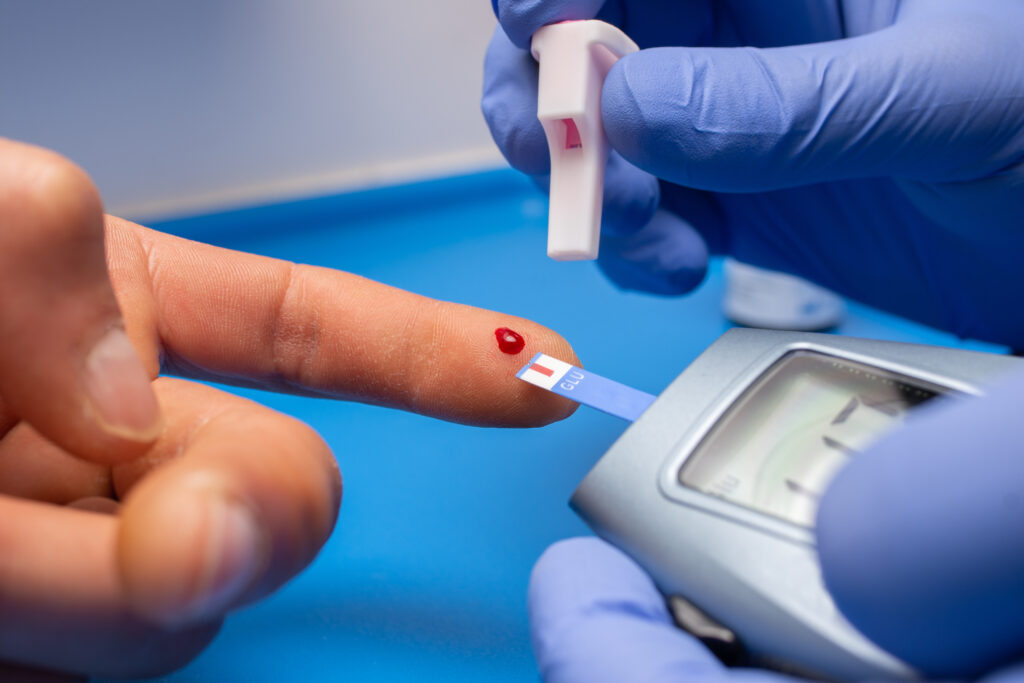
Using a glucometer or continuous glucose monitoring devices helps keep track of blood sugar levels.
Routine checkups help identify and prevent complications early.
For expert medical care, you can consult specialists at
Grace Hospital – the best family medicine hospital in Kanyakumari.
Food plays a major role in controlling diabetes mellitus. Here are simple diet tips:
Choose High-Fiber Foods
Limit Sugar and Sweets
Include Lean Proteins
Choose Healthy Fats
Control Portion Sizes
Eating too much at one time can cause high spikes in blood sugar.
You should seek medical help if you notice:
Timely medical care is essential to avoid complications.
If you need professional support or management plans, visit
Grace Hospital – the best family medicine hospital in Kanyakumari.
Diabetes mellitus is a common and serious condition, but it can be controlled with awareness, healthy living, and proper medical care. Understanding the causes, symptoms, treatments, and preventive steps can help you take charge of your health. By following simple lifestyle changes and staying consistent with treatment, you can prevent complications and maintain a healthy life.
If you or your loved ones need expert care, always consult experienced doctors who specialize in diabetes management.

Grace Hospital is a NABH pre-accredited and an ISO 9001-2015 certified hospital. The hospital is dedicated to serve the people of Kaliyakkavilai (Kanyakumari) with various advanced healthcare facilities and expert doctors from various specialities.
Copyright © 2025 Grace Hospital. All rights reserved.