
Diabetes affects millions of people across the world, and while the condition itself requires careful management, one of its most dangerous complications often goes unnoticed—Diabetic retinopathy. This eye condition develops slowly and silently, and if not diagnosed early, it can lead to severe vision loss or even blindness. The good news is that early detection and timely treatment can protect your eyesight.
In this detailed, easy-to-understand guide, you will learn what diabetic retinopathy is, how it develops, who is at risk, its symptoms, treatment methods, and the steps you can take to prevent it.
Diabetic retinopathy is an eye condition that occurs when long-term high blood sugar damages the tiny blood vessels in the retina—the light-sensitive part at the back of your eye. These damaged vessels start leaking or swelling, and in severe stages, new abnormal blood vessels may grow, leading to vision problems.
This condition affects both Type 1 and Type 2 diabetic patients. In many cases, there are no symptoms during the early stages, which is why regular eye checkups are extremely important.
To understand the condition better, let’s break down how it affects the eyes:
When blood sugar stays high for a long time, the vessels in the retina become weak.
These weakened vessels may leak fluid or blood, causing the retina to swell.
As more vessels are damaged, the retina does not get enough oxygen.
The eye attempts to form new vessels, but these are very weak and break easily.
Leakage, bleeding, and swelling affect how the retina sends signals to the brain.
Anyone with diabetes can develop this condition. However, the risk is higher if:
Understanding these risk factors helps you take preventive steps at the right time.
There are two main stages you should know:
This is the early stage. It may be mild, moderate, or severe.
Key features:
Most people do not notice symptoms at this stage.
This is the advanced stage and can be dangerous.
Key features:
Immediate treatment is required to prevent blindness.
Symptoms usually appear during later stages. They may include:
If you notice any of these symptoms, consult an eye specialist immediately.
Eye specialists use advanced tools to diagnose the condition:
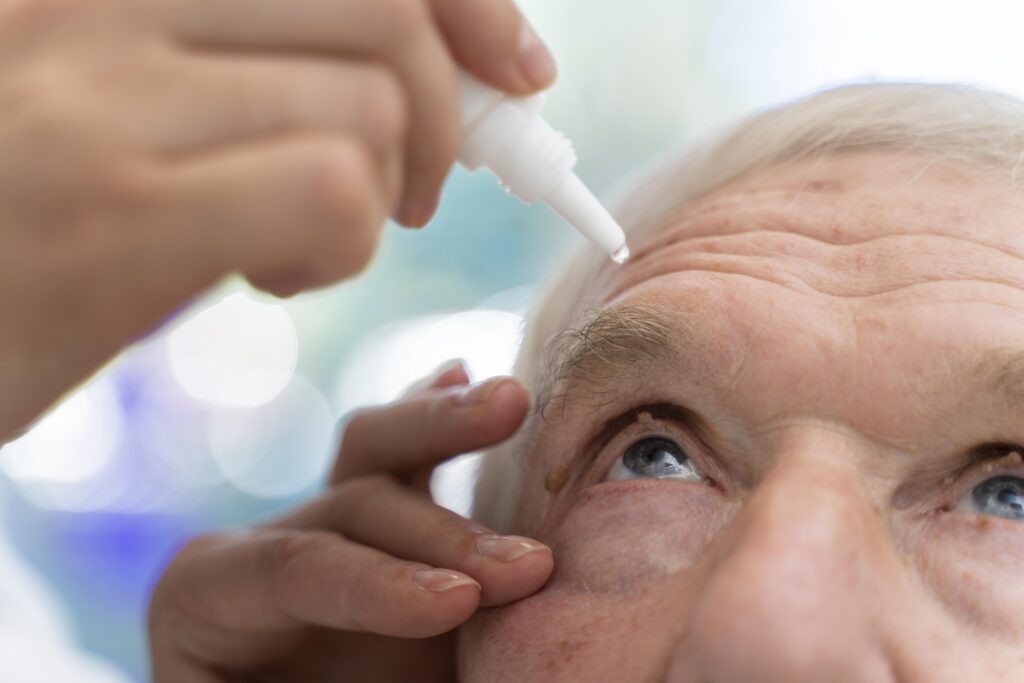
Eye drops are used to widen your pupils so the retina can be clearly examined.
This imaging test checks swelling or fluid buildup.
High-resolution photos capture detailed images of your retina.
A dye is injected into your bloodstream to detect leaking or blocked vessels.
These tests help doctors understand the severity of the condition and plan appropriate treatment.
While early stages may only require monitoring and blood sugar control, advanced stages need medical treatment. Here are the most common treatment options:
These injections block abnormal blood vessel growth and reduce swelling in the retina. They are widely used and highly effective when started early.
Laser therapy seals leaking blood vessels and prevents new abnormal vessels from forming. It can help stabilize vision and prevent worsening.
These are used for severe swelling in the retina, especially when other treatments are not suitable.
In advanced cases where there is bleeding or scar tissue pulling the retina, surgery may be required to restore vision.
If you have diabetes, taking care of your eyes is not optional—it is essential. Here are simple lifestyle steps that can protect your eyesight:
Regular monitoring and medication help reduce the risk of complications.
Include leafy greens, fruits, nuts, and foods rich in omega-3 fatty acids.
Even 30 minutes of walking a day can improve blood circulation.
Smoking increases the risk of vision damage.
This reduces pressure on blood vessels in your eyes.
Even if you have no symptoms, get your eyes checked every year.
You should consult an eye specialist immediately if:
Early diagnosis can prevent severe damage.
For advanced eye care, diagnosis, and treatment, you can visit
Grace Hospital – the best eye hospital in Kanyakumari.
The hospital is known for expert ophthalmologists, advanced technology, and comprehensive diabetic eye care services.
Diabetic retinopathy is one of the leading causes of vision loss among diabetic patients, but it is also preventable and treatable when caught early. Managing blood sugar, attending regular eye checkups, and seeking timely treatment can save your eyesight.
If you or someone you know is living with diabetes, encourage them to take their eye health seriously. Vision is precious, and with the right care, it can be protected for life.
Grace Hospital is a NABH pre-accredited and an ISO 9001-2015 certified hospital. The hospital is dedicated to serve the people of Kaliyakkavilai (Kanyakumari) with various advanced healthcare facilities and expert doctors from various specialities.
Copyright © 2025 Grace Hospital. All rights reserved.