
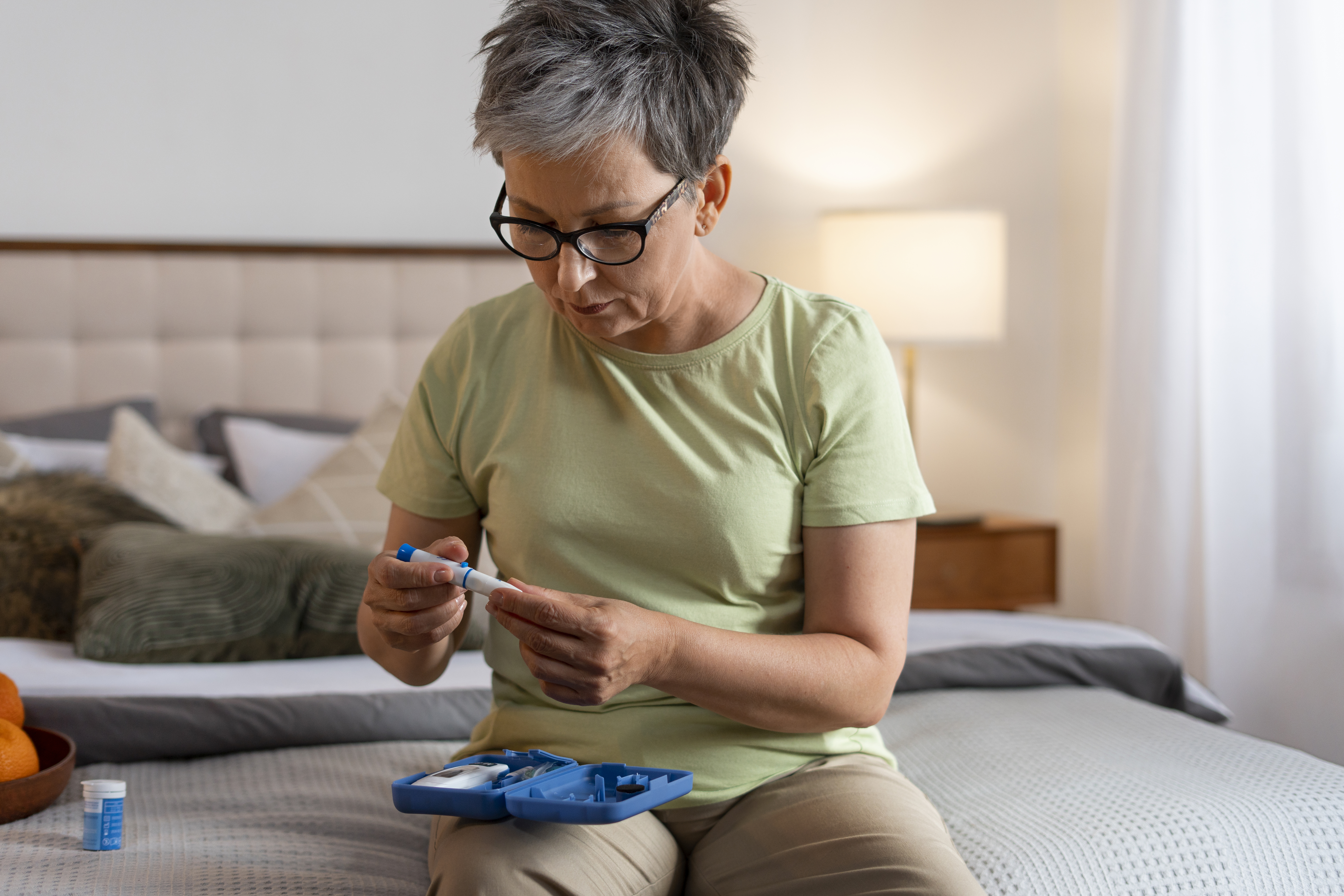
Our eyes are delicate organs, and even small changes inside them can affect the way we see the world. One of the most common factors that affects eye health is blood sugar. When your blood sugar levels rise or fall beyond normal limits, your eyes may start showing warning signs. Many people ignore these symptoms, thinking they are temporary or unrelated. But the truth is, the connection between blood sugar levels and vision is stronger than most people realize.
In this detailed guide, we will talk about how blood sugar affects the eyes, why vision changes happen, the early signs you should never ignore, long-term risks, diagnosis, treatment, and prevention tips. This article will help you understand how to protect your eyes—especially if you have diabetes, prediabetes, or fluctuating blood sugar levels.
Your blood sugar plays a vital role in supplying energy to all organs, including your eyes. When blood sugar is stable, your eyes function normally. But when your blood sugar stays high for a long time, the tiny blood vessels inside your retina become weak and damaged. This can lead to blurring, swelling, or even serious eye diseases.
The link between blood sugar levels and vision becomes especially important for people with diabetes. This is because long-term high blood sugar can cause conditions like diabetic retinopathy, diabetic macular edema, cataract, and even glaucoma
High blood sugar (hyperglycemia) affects your eyes in several ways:
When blood sugar rises, your eye lens swells because more fluid enters it. This changes the shape of the lens and causes blurry vision. You may find it difficult to:
This blurriness usually improves once blood sugar returns to normal, but repeated fluctuations can harm your eyes.
The retina is the light-sensitive tissue at the back of your eye. High blood sugar can damage its tiny blood vessels, causing them to leak or swell. Over time, this leads to diabetic retinopathy—a leading cause of blindness worldwide.
High blood sugar can raise eye pressure, increasing the risk of glaucoma. If untreated, glaucoma can damage the optic nerve and cause permanent vision loss.
People with long-term diabetes are more likely to develop cataracts at a younger age. Cloudy lenses lead to glare, poor night vision, and difficulty seeing colors.
These conditions show how closely blood sugar levels and vision are linked, making it necessary to monitor both.
Vision problems related to blood sugar often start slowly. Here are the signs you should watch for:
If you notice any of these symptoms, consult an eye specialist immediately. Early diagnosis can prevent long-term complications.
This is the most common eye disease caused by diabetes. It occurs when high blood sugar damages retinal blood vessels. In early stages, there may be no symptoms. In later stages, new abnormal blood vessels grow, leading to bleeding, scarring, and vision loss.
The macula helps you see fine details. When fluid leaks into the macula due to damaged blood vessels, it swells. This causes blurry, distorted central vision.
High blood sugar causes sugar to enter the eye lens, turning it cloudy. This results in hazy vision and difficulty seeing in bright light.
People with diabetes have a higher risk of developing glaucoma. Increased pressure in the eye damages the optic nerve and leads to gradual vision loss.
These diseases show the long-term impact of blood sugar levels and vision, highlighting why early monitoring is essential.
Not only high blood sugar, but low blood sugar (hypoglycemia) can also affect your eyesight. When sugar levels drop too low, the brain and eyes do not get enough energy.
Symptoms may include:
These symptoms usually improve once blood sugar returns to normal. However, frequent hypoglycemia can indicate the need for medication adjustment.
If you have diabetes or fluctuating sugar levels, eye exams are very important. Doctors may perform:
These tests help in detecting early damage, even before symptoms appear.
Your eye doctor will choose the right treatment based on the condition:
This is the most important step. Keeping sugar levels in the normal range prevents further damage.
Eye drops, injections, or oral medicines may be used to reduce swelling or prevent blood vessel growth.
Laser treatment helps stop leaking blood vessels and prevent worsening of diabetic retinopathy.
In severe cases, surgery may be needed to remove blood or scar tissue from the eye.
If cataract affects daily activities, surgery helps restore clear vision.
The earlier you receive treatment, the better your chances of preserving your eyesight.
Here are simple but powerful steps to protect your eyes:
Stable blood sugar reduces the risk of both short-term and long-term vision problems.
Eat more vegetables, lean proteins, whole grains, and fiber. Avoid sugary and processed foods.
A minimum of 30 minutes a day helps control blood sugar and improve eye circulation.
Even if you have no symptoms, annual eye exams can detect early signs of damage.
Smoking increases the risk of diabetic eye disease and worsens blood circulation.
Both increase the risk of diabetic retinopathy.
Irregular medicines lead to unstable blood sugar, affecting the eyes.
These simple habits can help maintain a strong link between healthy blood sugar levels and vision.
Seek medical care right away if you experience:
These can be signs of serious eye conditions that need urgent attention.
Timely treatment can save your eyesight. For advanced diagnosis, treatment, and personalized care, you can visit Grace Hospital, the best eye care hospital in Marthandam. Their team of expert ophthalmologists provides top-quality care for diabetic eye conditions and general vision problems.
The relationship between blood sugar levels and vision is critical and often underestimated. Whether you have diabetes or experience frequent changes in blood sugar, paying attention to your eye health is essential. Early detection, good control of blood sugar, regular eye checkups, and a healthy lifestyle can protect your eyesight for the long term.
Your eyes reflect the overall health of your body. Taking good care of them today helps ensure a clear vision for the future.
Grace Hospital is a NABH pre-accredited and an ISO 9001-2015 certified hospital. The hospital is dedicated to serve the people of Kaliyakkavilai (Kanyakumari) with various advanced healthcare facilities and expert doctors from various specialities.
Copyright © 2025 Grace Hospital. All rights reserved.