

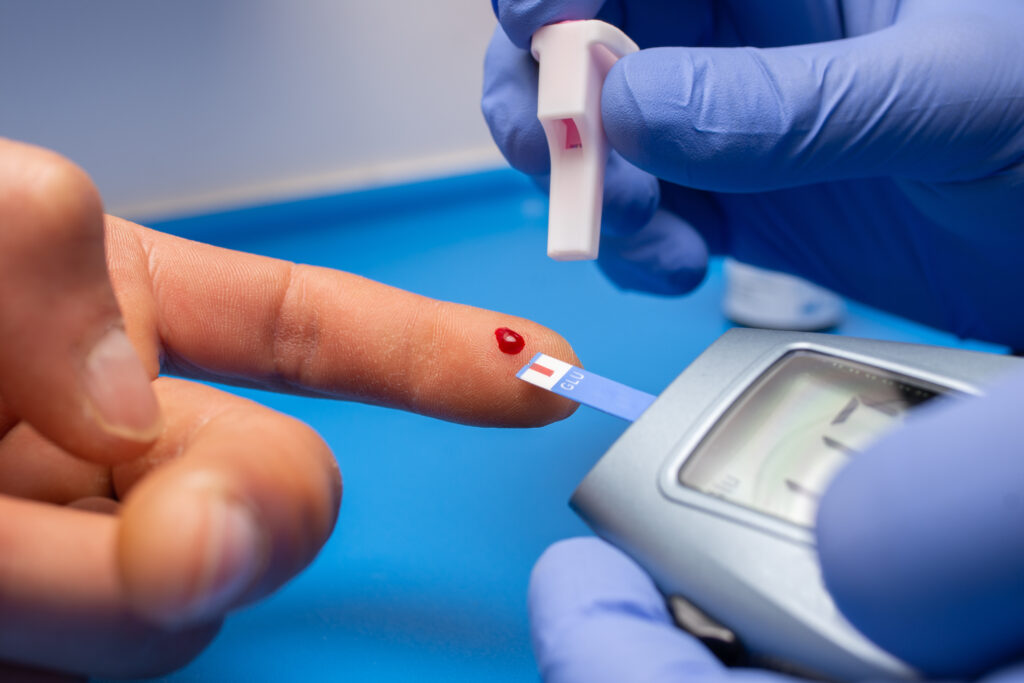
Blood sugar levels play a major role in overall health. They help doctors understand how well the body processes glucose, which is the main source of energy for cells. One of the most important measurements used to check glucose control is fasting blood sugar. This test measures the level of sugar in the blood after a person has not eaten for at least 8 hours, usually overnight.
Doctors commonly recommend this test to screen for diabetes, prediabetes, and other metabolic conditions. Because the body is in a fasting state, the results provide a clear picture of how well insulin is managing glucose levels. When the numbers are higher or lower than normal, it may indicate a health issue that needs attention.
Understanding the meaning of fasting blood sugar and maintaining healthy levels can help prevent serious conditions such as diabetes, heart disease, and nerve damage. With proper lifestyle habits and medical guidance, most people can keep their blood sugar within a healthy range.
Fasting blood sugar refers to the amount of glucose present in the bloodstream after several hours without food. The test is usually performed in the morning before breakfast because eating or drinking can temporarily increase glucose levels.
During fasting, the body still needs energy to function. The liver releases stored glucose to maintain a stable supply for vital organs such as the brain. Insulin, a hormone produced by the pancreas, helps regulate this process by allowing cells to absorb glucose from the blood.
When the body does not produce enough insulin or cannot use it properly, glucose begins to build up in the bloodstream. This leads to higher fasting blood sugar levels, which may signal conditions such as prediabetes or diabetes.
Doctors often use this test as one of the first steps in diagnosing blood sugar disorders. It is simple, quick, and widely available in hospitals and diagnostic centers.
Understanding what is considered a healthy range is important for maintaining good health. According to most medical guidelines, normal fasting blood sugar levels fall within a specific range.
Here is a general guideline used by healthcare professionals:
Category | Blood Sugar Level |
Normal | 70–99 mg/dL |
Prediabetes | 100–125 mg/dL |
Diabetes | 126 mg/dL or higher |
If a person’s fasting glucose level repeatedly falls within the prediabetes or diabetes range, doctors may recommend additional tests for confirmation.
It is important to remember that a single test result does not always indicate a medical condition. Factors such as stress, illness, lack of sleep, or certain medications can temporarily affect glucose levels. Doctors usually evaluate results along with other symptoms and medical history before making a diagnosis.
Regular monitoring of fasting blood sugar is especially important for people who have risk factors such as obesity, family history of diabetes, or a sedentary lifestyle.
High blood sugar levels during fasting can happen for several reasons. One of the most common causes is insulin resistance. In this condition, the body’s cells do not respond properly to insulin, making it harder for glucose to enter the cells.
Another reason for elevated fasting blood sugar is decreased insulin production. This occurs in people with diabetes when the pancreas cannot produce enough insulin to regulate glucose levels.
Lifestyle habits can also influence blood sugar. Eating large amounts of processed foods, sugary drinks, and refined carbohydrates can increase glucose levels over time. Lack of physical activity can worsen insulin resistance and make it more difficult for the body to control sugar levels.
Hormonal changes, stress, and certain medical conditions such as hormonal disorders may also contribute to high fasting glucose. Even sleep patterns can affect blood sugar regulation.
Because many of these factors are related to lifestyle, making healthy changes can significantly improve blood sugar control.
Persistently high blood sugar levels can lead to serious health problems if left untreated. One of the most common conditions associated with elevated fasting blood sugar is type 2 diabetes. This chronic disease affects how the body uses insulin and can cause long-term complications.
High glucose levels can damage blood vessels and nerves throughout the body. Over time, this may increase the risk of heart disease, stroke, kidney problems, and vision loss. Nerve damage can also occur, leading to symptoms such as numbness or tingling in the hands and feet.
Another possible complication is diabetic neuropathy, which affects nerve function and can cause pain or weakness. People with uncontrolled blood sugar may also experience slow wound healing and a higher risk of infections.
Early detection and proper management can greatly reduce these risks. Monitoring fasting blood sugar regularly helps doctors identify problems early and recommend appropriate treatments
If a person experiences symptoms such as excessive thirst, frequent urination, fatigue, or blurred vision, it is important to seek medical advice. These symptoms may indicate abnormal glucose levels that require evaluation.
Doctors may recommend regular testing of fasting blood sugar for individuals with a family history of diabetes, obesity, or other metabolic conditions. Early diagnosis allows for timely treatment and lifestyle adjustments that can prevent complications.
For people in Kerala looking for expert medical care, consulting specialists at Grace Hospital, the Best General Medicine Hospital in Kochi can help ensure accurate diagnosis and proper management of blood sugar levels. The hospital provides comprehensive medical services, experienced physicians, and modern diagnostic facilities.
Receiving guidance from qualified healthcare professionals ensures that patients receive the right treatment plan tailored to their individual health needs.
Monitoring fasting blood sugar is an important step in understanding and maintaining overall health. This simple test provides valuable information about how the body manages glucose and can help detect conditions such as prediabetes and diabetes at an early stage.
By maintaining a balanced diet, staying physically active, managing stress, and attending regular medical check-ups, individuals can keep their blood sugar levels within a healthy range. Early awareness and proper medical care play a key role in preventing long-term complications.

Grace Hospital is a NABH pre-accredited and an ISO 9001-2015 certified hospital. The hospital is dedicated to serve the people of Kaliyakkavilai (Kanyakumari) with various advanced healthcare facilities and expert doctors from various specialities.
Copyright © 2025 Grace Hospital. All rights reserved.