10 Essential Pregnancy Care Tips Every New Mom Need

pregnancy care tips
Grace Hospital Gynecology Department

Following the right pregnancy care tips from the start can make a real difference in how smooth and safe the journey feels, for both mother and baby.

Pregnancy is one of the most important stages in a woman’s life — one that calls for regular medical care, healthy lifestyle choices, and proper nutrition. Consistent antenatal checkups help monitor the health of both mother and baby, while allowing doctors to catch and manage potential complications early.

Why Pregnancy Care Is Important

Regular pregnancy care helps:

  • Monitor fetal growth and development
  • Detect pregnancy-related complications early
  • Manage maternal health conditions such as diabetes or hypertension
  • Provide nutritional guidance tailored to each trimester
  • Prepare mothers for delivery physically and mentally

Common Pregnancy Symptoms

Most expecting mothers experience some combination of the following — all considered normal parts of pregnancy:

  • Morning sickness
  • Fatigue
  • Frequent urination
  • Mild back pain
  • Breast tenderness
  • Increased appetite

Who Needs Closer Monitoring?

Some pregnancies carry a higher risk and require more frequent checkups, including those involving:

  • Maternal age below 18 or above 35 years
  • Diabetes or hypertension
  • Multiple pregnancy (twins or more)
  • Previous pregnancy complications
  • Obesity
  • Thyroid disorders

10 Essential Pregnancy Care Tips

  1. Attend all scheduled antenatal appointments — don’t skip checkups, even if you feel fine.
  2. Eat a balanced diet rich in fruits, vegetables, proteins, and iron.
  3. Take prescribed folic acid and iron supplements consistently.
  4. Drink adequate water every day.
  5. Stay physically active, as advised by your doctor.
  6. Avoid smoking, alcohol, and self-medication entirely.
  7. Get enough rest and maintain a healthy sleep routine.
  8. Monitor fetal movements, especially in the later stages of pregnancy.
  9. Follow your obstetrician’s nutritional guidance for each trimester.
  10. Report unusual symptoms immediately rather than waiting for your next appointment.

How Pregnancy Is Monitored

Routine antenatal care typically includes:

  • Blood pressure monitoring
  • Blood and urine tests
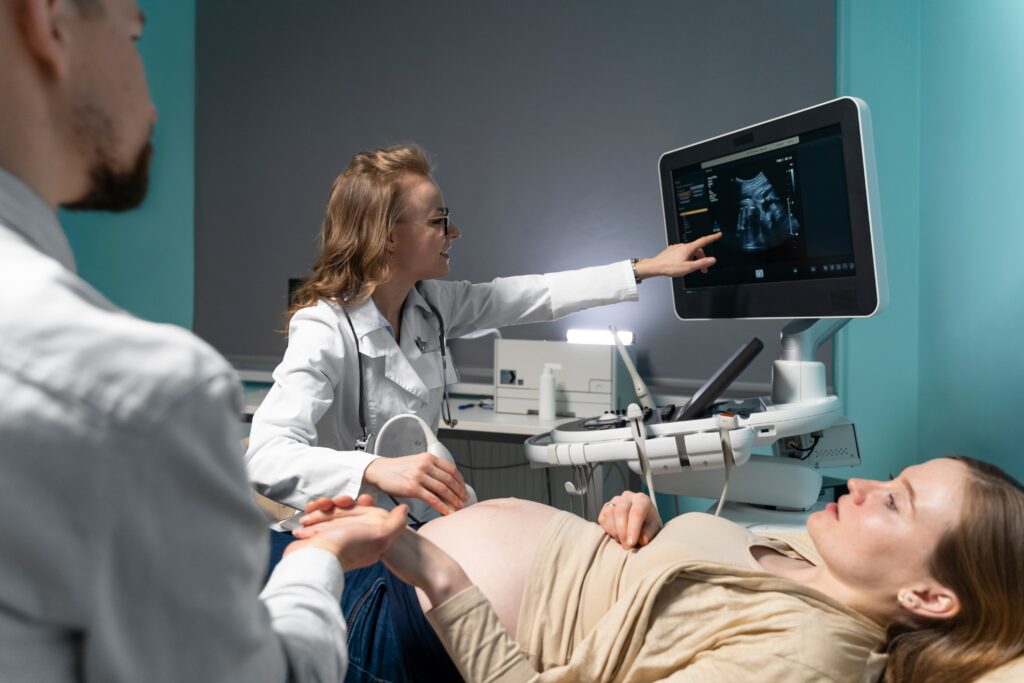
  • Ultrasound scans
  • Blood sugar testing
  • Fetal growth assessment

Treatment and Care

Care plans are tailored to each mother’s individual health and may include:

  • Nutritional counseling
  • Medication, when required
  • Management of pregnancy-related conditions
  • Regular monitoring by an obstetrician

When Should You Visit the Hospital Immediately?

Seek urgent medical attention if you experience:

  • Heavy vaginal bleeding
  • Severe abdominal pain
  • Persistent severe headache
  • Blurred vision
  • High fever
  • Reduced fetal movements
  • Leakage of amniotic fluid

Frequently Asked Questions

How often should I attend pregnancy checkups?

Your obstetrician will recommend a schedule based on your stage of pregnancy and individual health needs.

Can I exercise during pregnancy?

Most women can perform safe, moderate exercise after consulting their healthcare provider.

Why is folic acid important?

Folic acid supports early fetal development and helps reduce the risk of certain birth defects.

Doctor's Advice

  • Never miss scheduled antenatal visits
  • Follow your prescribed supplements
  • Report unusual symptoms immediately
  • Maintain a healthy lifestyle throughout pregnancy

Conclusion

Regular pregnancy care plays a vital role in supporting the health of both mother and baby. Following medical advice and attending routine checkups contribute to a safer pregnancy and delivery.

Book your antenatal checkup at Grace Hospital’s Gynecology Department today.

Call us at 83000 45260 or visit Grace Hospital at P.P.M Junction Kaliyakkavilai, Kanyakumari District, to book your thyroid consultation today.

Grace Hospital Gynecology Department | [Publish Date]
Book an Appointment
83000 45260