

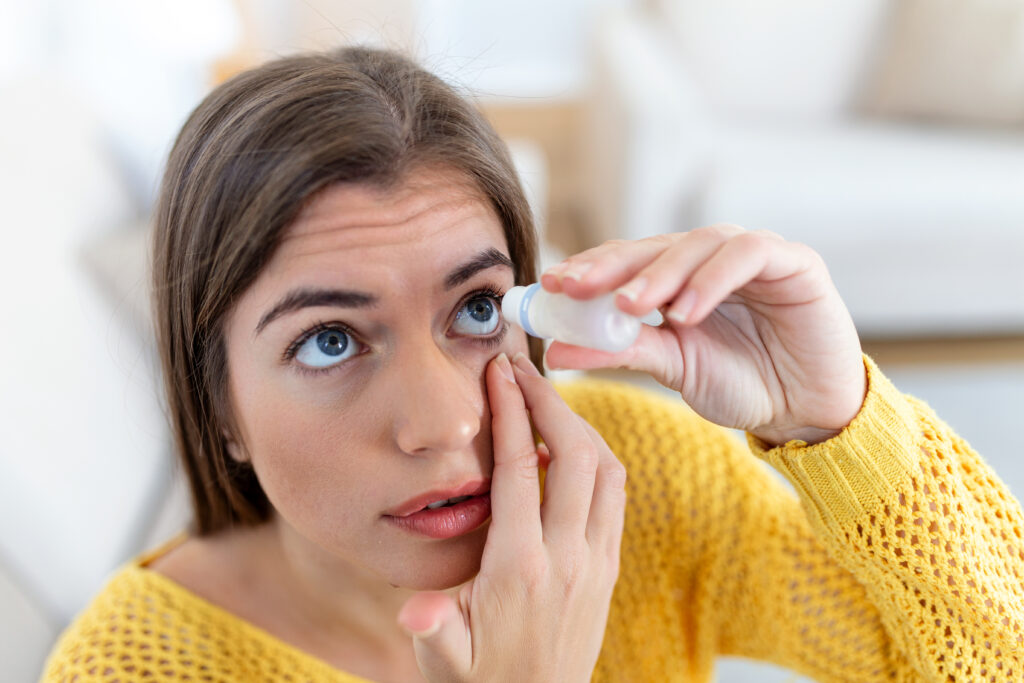
Ear infections are painful and uncomfortable. Many people look for quick relief at home and sometimes wonder if they can use medicines they already have. One common question is whether eye drops for ear infections can be used safely.
At first, this might seem like a smart shortcut. After all, both eyes and ears are sensitive organs. But using the wrong treatment can make things worse instead of better. In this article, we will explain everything in simple language so you can make safe and informed decisions.
An ear infection happens when bacteria or viruses affect the ear. It can occur in different parts of the ear, but the most common type is a middle ear infection.
Symptoms often include pain, a feeling of fullness in the ear, trouble hearing, and sometimes fluid discharge. In children, it may also cause fever, irritability, and trouble sleeping.
Ear infections can happen for many reasons. These include colds, allergies, sinus infections, or water trapped in the ear. Because the ear is a delicate organ, it needs proper treatment and care.
Doctors usually prescribe ear drops, oral medicines, or sometimes both, depending on how severe the infection is.
Eye drops are specially made medicines designed for the eyes. They are used to treat infections, dryness, redness, or allergies in the eye.
These drops are prepared with strict safety standards because the eyes are very sensitive. They are usually sterile and gentle.
Some people think that because eye drops are safe for the eyes, they must also be safe for the ears. This idea leads to the question of using eye drops for ear infections.
But the truth is not that simple.
In some cases, certain eye drops may be used in the ears, but only under medical advice. Not all eye drops are suitable for ear use.
Some antibiotic eye drops have similar ingredients to ear drops. Doctors may occasionally recommend them if the correct ear medication is not available. However, this is not something you should try on your own.
Using the wrong drops can irritate the ear or fail to treat the infection properly. The ear and eye may seem similar, but they have different structures and needs.
So, using eye drops for an ear infection without consulting a doctor is not recommended.
It is important to understand the risks before trying any home remedy. Using eye drops in the ear without guidance can lead to several problems.
First, the medicine may not be strong enough to treat the infection. This can allow the infection to get worse.
Second, some ingredients may cause irritation inside the ear. This can increase pain or discomfort.
Third, if there is a hole in the eardrum, using the wrong drops can cause serious complications, including hearing problems.
Because of these risks, it is always safer to use medications that are specifically designed for the ear.
Ear infections are not just minor problems. If left untreated or treated incorrectly, they can lead to serious complications.
These may include hearing loss, spreading of infection, or long-term damage to the ear. This is why proper diagnosis and treatment are very important.
Doctors examine the ear carefully before recommending any medicine. They may use special tools to check the eardrum and identify the cause of the infection.
If you are unsure about using eye drops for ear infection, it is always best to seek expert advice instead of guessing.
You should see a doctor if ear pain lasts more than a day or two. Other warning signs include fever, fluid coming from the ear, or hearing problems.
Children, in particular, should be checked quickly because ear infections can affect their development if not treated properly.
A qualified ENT specialist can provide the right diagnosis and treatment. For expert care, you can visit Grace Hospital, the Best ENT Hospital in Kanyakumari, where experienced doctors offer advanced treatment for ear-related conditions.
Instead of trying unverified methods, it is better to use safe and proven treatments. Doctors may prescribe:
In some cases, infections clear up on their own, but medical guidance ensures there are no complications.
Home remedies should be used with caution and only after consulting a healthcare professional.
Prevention is always better than cure. There are simple steps you can follow to reduce the risk of ear infections.
Keep your ears dry, especially after swimming or bathing. Avoid inserting objects like cotton buds deep into the ear. Maintain good hygiene and treat colds or allergies early.
For children, proper feeding positions and vaccinations can help reduce the risk of infections.
Taking care of your overall health also plays a role in preventing ear problems.
The idea of using eye drops for ear infection may sound convenient, but it is not always safe. While some eye drops might work in specific situations, they should only be used under medical supervision.
Self-treatment can lead to complications and delay proper healing. The best approach is to consult a doctor and use medicines designed specifically for ear infections.

Grace Hospital is a NABH pre-accredited and an ISO 9001-2015 certified hospital. The hospital is dedicated to serve the people of Kaliyakkavilai (Kanyakumari) with various advanced healthcare facilities and expert doctors from various specialities.
Copyright © 2025 Grace Hospital. All rights reserved.