
Ear health is often ignored until discomfort begins. One of the most common issues people face is ear wax buildup. While ear wax is natural and protective, too much of it can cause discomfort, hearing problems, and even infections. That’s why understanding proper ear wax removal is important.
Ear wax, also known as cerumen, is produced by glands in the ear canal. It plays an important role in protecting your ears.
Functions of earwax:
In most cases, ear wax moves out of the ear naturally. However, when it builds up, proper earwax removal becomes necessary.
There are several reasons why earwax may accumulate:
Using cotton swabs is one of the biggest causes, as it pushes wax deeper instead of removing it.
Excess ear wax can cause noticeable symptoms. Recognizing them early helps in timely earwax removal.
Common symptoms include:
If these symptoms continue, it is better to consult a doctor.
Removing ear wax safely is very important to avoid damage to the ear.
Your ears are self-cleaning. Movements like chewing and talking help push wax out naturally.
Avoid inserting any objects into the ear.
Ear drops can soften hardened wax, making earwax removal easier.
Common options include:
These should be used as per instructions.
This method involves gently flushing the ear with warm water.
It is a simple and effective earwax removal method when done carefully.
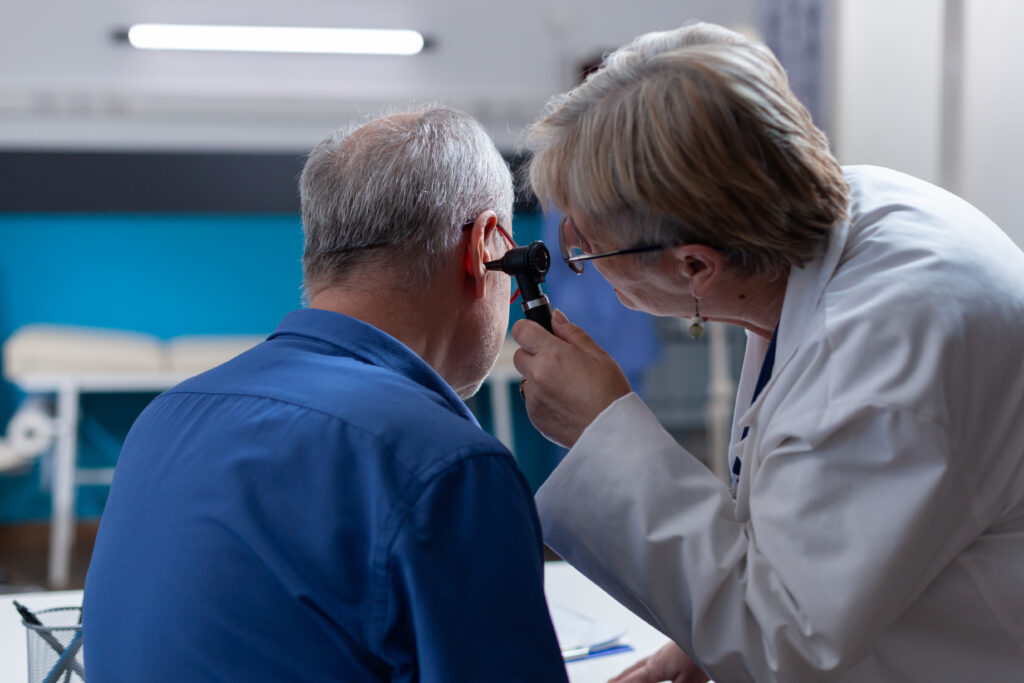
In cases of severe buildup, doctors use advanced techniques such as:
Professional ear wax removal is the safest option, especially if you have sensitive ears.
Some common practices can be harmful:
These methods can damage the ear canal or eardrum and should never be used for ear wax removal.
You should consult a doctor if:
An ENT specialist can safely perform earwax removal and check for other ear problems.
Removing excess wax can improve your daily life:
However, remember that ear wax is protective, so it should not be removed unnecessarily.
Prevention is always better than treatment.
Follow these simple tips:
These habits can reduce the need for frequent earwax removal.
Ear wax is a natural part of ear health, but too much of it can cause discomfort and hearing issues. Understanding safe and effective ear wax removal methods is essential for maintaining healthy ears.
Avoid harmful practices and seek medical help when needed. With proper care and awareness, you can keep your ears clean, comfortable, and healthy.
Grace Hospital is a NABH pre-accredited and an ISO 9001-2015 certified hospital. The hospital is dedicated to serve the people of Kaliyakkavilai (Kanyakumari) with various advanced healthcare facilities and expert doctors from various specialities.
Copyright © 2025 Grace Hospital. All rights reserved.